
January 2, 2026
When Control Looks Complete—but the Ground Keeps Responding
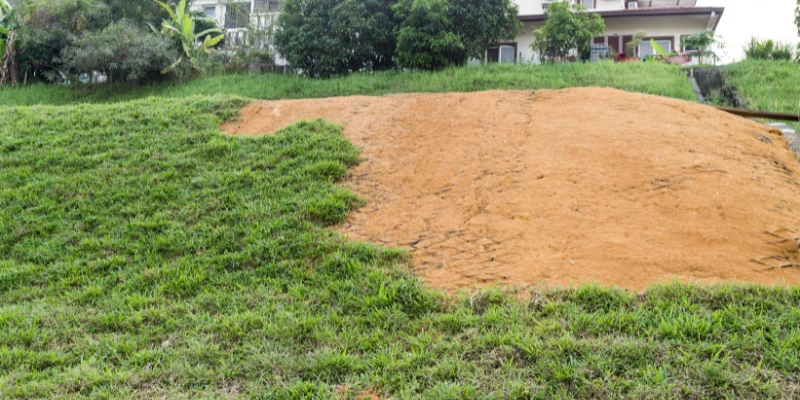
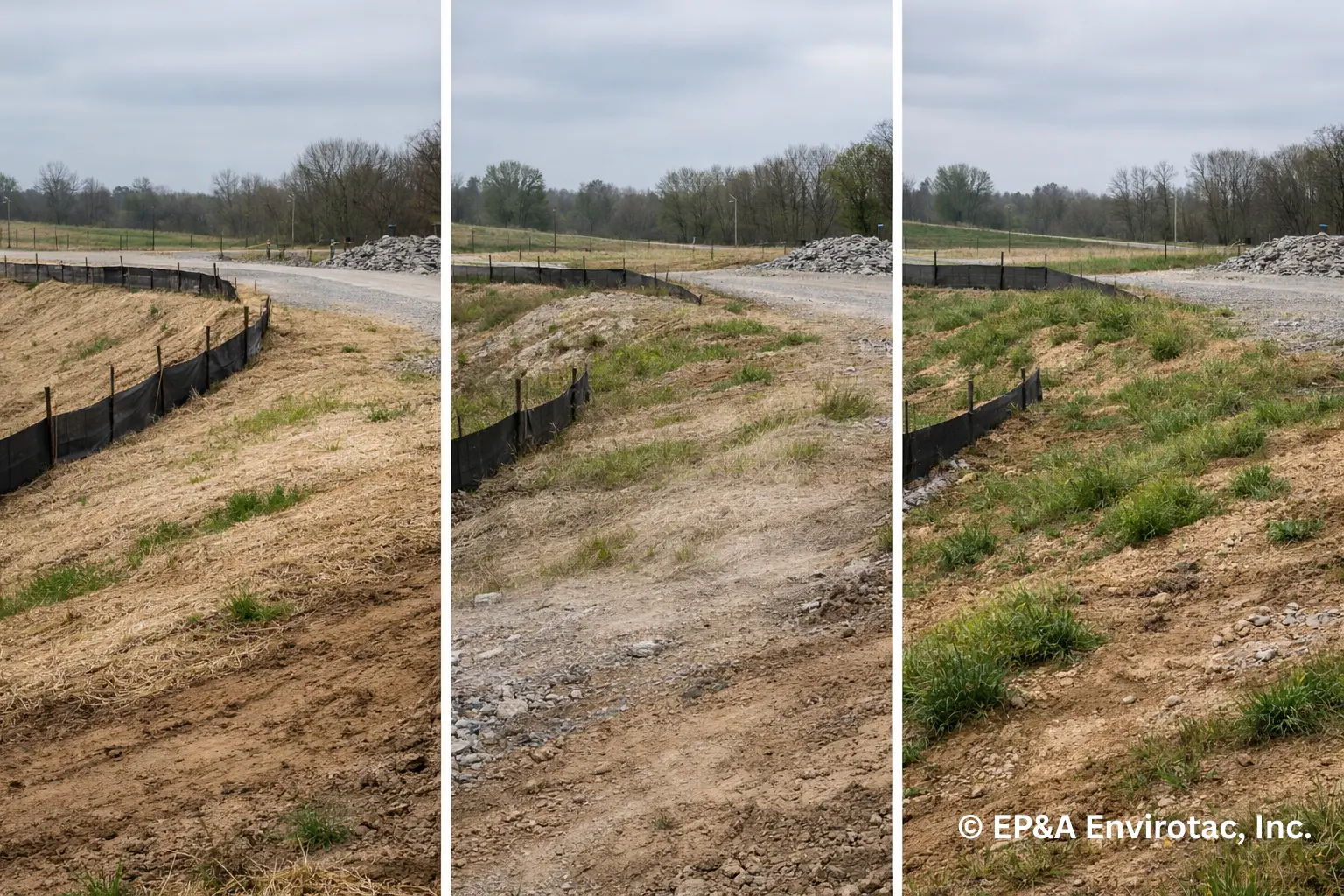
On paper, many erosion and dust control projects look complete. Slopes are treated, surfaces are stabilized, vegetation is specified, and inspections are signed off. At that moment, the system appears settled. But over time, something quieter tends to surface. On many treated sites, the timing varies by soil type, traffic intensity, and treatment method, but recurring dust under dry conditions is a common indicator that surface control has outpaced biological recovery. Fine sediment migrates after moderate rain. Vegetation establishes unevenly, or not at all. The controls are present, yet the ground keeps responding.
This rarely shows up as a clear failure. Instead, it appears as maintenance. A surface needs reapplication. A section is repaired. Water trucks return sooner than expected. Each intervention makes sense in isolation. Together, they form a pattern that feels familiar across sites and regions. The work is technically correct, yet persistently unfinished.
What becomes unclear is not whether erosion or dust control has been applied, but whether the surface is actually recovering. Whether the soil is becoming more stable over time, or simply quieter for longer intervals. The tension sits there quietly, easy to overlook, even when all the right elements are technically in place.
Why Surfaces Are Stabilized First—and Ecosystems Later
Over time, a pattern becomes clear. Many dust control, soil stabilization, and erosion control programs are designed around surfaces first and ecosystems second. The immediate objective is understandable: suppress movement, meet compliance, and keep sites operational. Vegetation and natural systems are often expected to follow later, once conditions improve. In practice, the approach shifts attention from erosion control products to interactions.
Vegetation is not simply an environmental add-on.
As vegetation establishes, the ground begins to behave differently. Soil becomes less reactive to rainfall and wind, moisture moves more predictably, and surface loss slows without relying solely on repeated treatment. These changes happen gradually, below the surface first, and they tend to persist longer than surface-only controls.
When they struggle, it is often because the surrounding controls were never designed to support biological recovery in the first place.
At the same time, many commonly used control methods were developed to prioritize speed and predictability, not ecological compatibility. Some widely used dust control treatments illustrate this trade-off clearly. They are effective at calming the surface, but their longer-term effects on soil conditions and vegetation depend heavily on how and where they are applied. When applied deliberately and within appropriate limits, they play a necessary role. When those limits are ignored, the effects tend to accumulate quietly—reducing the range of conditions under which vegetation, water quality, and nearby habitats are able to recover.
The issue is not whether modern stabilization methods should be used. It is whether they are designed to work with the systems that ultimately need to take over. Controls that preserve soil function, protect water pathways, and leave room for vegetation to establish tend to reduce long-term intervention. Those that suppress movement at the expense of biological capacity often trade short-term quiet for ongoing dependence.
Looked at over a longer horizon, effective dust control and erosion management become less about holding the ground still in the moment and more about influencing how it behaves as conditions change. That shift places responsibility not just on products or techniques, but on the way systems are specified, sequenced, and managed—by contractors, municipalities, infrastructure owners, and regulators alike. Designing alongside natural processes is not a constraint. It is the difference between control that must be repeated and stability that gradually sustains itself.
What Happens When Stability Is Treated as a Surface Condition
Across most projects, erosion control, dust suppression, and soil stabilization are treated as separate objectives. In practice, that separation shows up in different methods, timelines, and definitions of success. A surface is expected to resist wind. A slope is expected to hold through rainfall. A site is expected to pass inspection and remain serviceable. These expectations are reasonable. What often goes unexamined is how these controls interact once the site begins to change.
The pressure to achieve immediate stability is structural. Construction schedules are compressed. Weather windows are narrow. Regulatory thresholds are clear but time-bound. Under these conditions, methods that act quickly and predictably tend to dominate early decisions. They quiet surfaces, reduce visible movement, and create the appearance of control. Vegetation, by contrast, operates on biological timelines. Roots develop gradually. Soil structure rebuilds unevenly. Recovery depends on moisture, temperature, and disturbance patterns that cannot be fully scheduled. The mismatch is not philosophical. It is temporal.
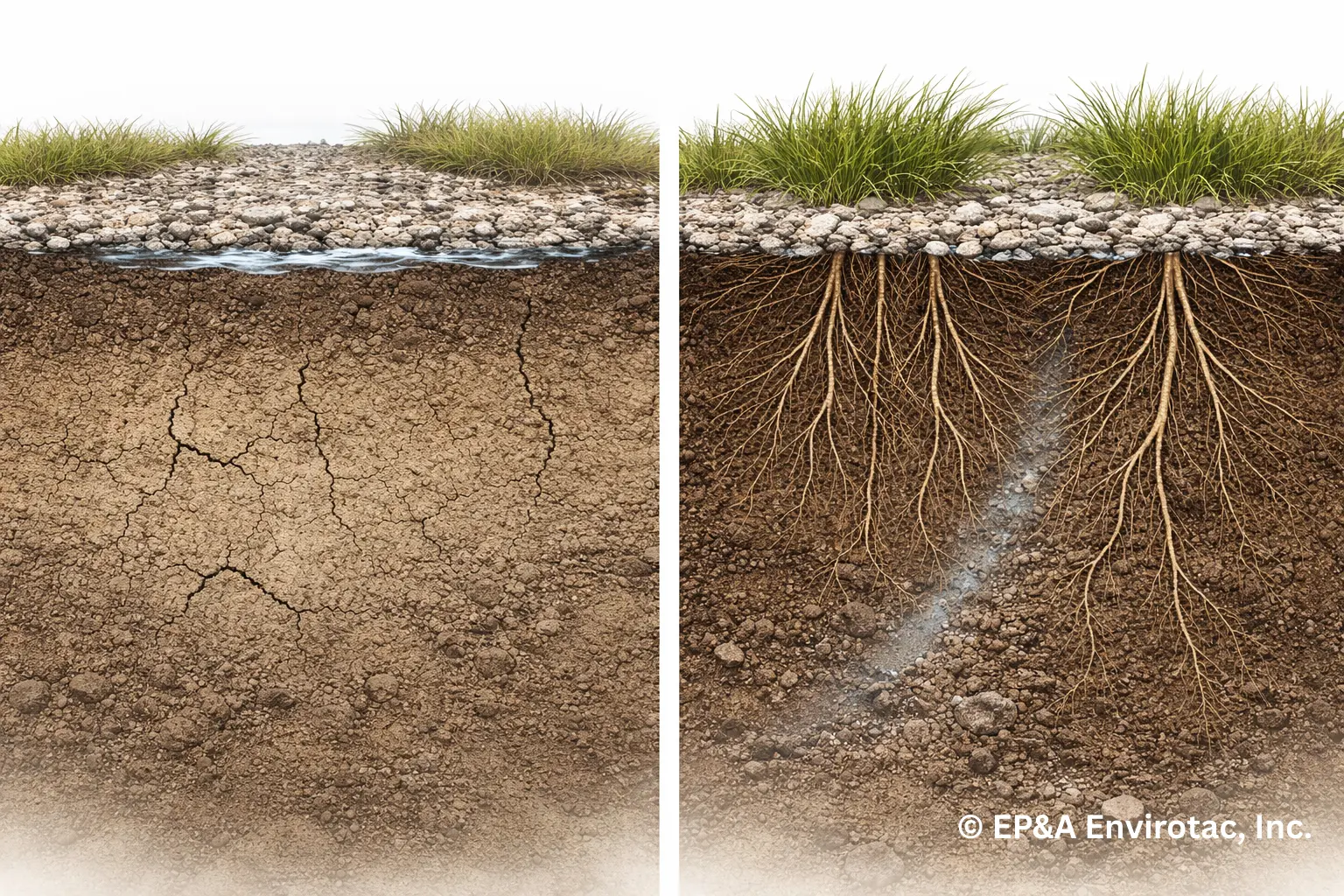
Looking more closely, soil condition sits at the center of this tension. Soil physical properties such as structure, porosity, and root-mediated channels play a critical role in regulating how soil responds to water and disturbance, which ultimately influences erosion and dust-generation dynamics. How a site responds depends on a mix of compaction, moisture, and how the soil has been handled up to that point. A surface that resists erosion through binding or sealing can perform well under traffic and wind, but it may also leave fewer pathways for roots, water, and microorganisms to move through the soil. Conversely, soils prepared for vegetation may remain vulnerable during early exposure. In both cases, performance depends less on the presence of a control than on how that control alters the soil’s ability to recover.
Vegetation’s role is often misunderstood because its effects are indirect. Roots bind particles, but they also create channels for water infiltration. Canopy cover reduces raindrop impact, but it also moderates surface temperature and evaporation. Over time, these interactions increase cohesion and reduce susceptibility to both erosion and dust generation. When vegetation fails to establish, it is rarely because these mechanisms are insufficient. More often, the surrounding conditions never allow them to activate.
Engineered stabilization methods—including erosion control polymers, mineral binders, and other surface stabilization approaches—introduce a different set of dynamics. Surface binders, salts, and other chemical treatments can rapidly reduce movement by increasing particle cohesion or moisture retention. In the short term, this can be essential, particularly in high-traffic areas, exposed subgrades, or sites facing immediate dust control and erosion compliance risk. The challenge emerges when these treatments persist beyond their intended role. The extent and duration of these effects vary widely by material type, formulation, and environmental context, with some polymer-based stabilizers designed to degrade over time and others intended to persist through extended service cycles. These effects are rarely obvious at first. Over time, though, they influence what can grow, what moves with water, and how the soil continues to change after the surface looks stable.
This is where the paradox takes shape. Methods designed to suppress movement can either support long-term stability or quietly constrain it, depending on how they interact with biological processes. In some cases, temporary stabilization protects seedbeds, reduces early erosion, and creates space for vegetation to establish. In others, the same approach narrows the window for recovery, leaving the system dependent on continued intervention. The difference is rarely visible at the moment of application.
Over time, the system reveals itself through patterns rather than failures. Reapplication becomes routine. Vegetation remains patchy. Control limits visible emissions, while resolution requires changes to soil structure and surface cover that persist beyond repeated treatment. Each response is logical, yet the trajectory stays flat. What appears to be a series of unrelated maintenance decisions often traces back to the same assumption: that stability is something imposed on the surface, rather than something that develops through interaction between soil, water, vegetation, and time.
Seen this way, erosion and dust control are less about choosing the right method and more about understanding how different controls change the system’s direction. Some approaches hold conditions steady. Others allow the ground to reorganize. The distinction is subtle, but it determines whether stability becomes self-sustaining—or remains something that must be continually reapplied.
Designing for Recovery, Not Repetition
If these systems are viewed only at the moment of application, control becomes the primary measure of success. A surface is judged by how still it looks, how little dust it releases, and how well it holds through the next weather event. That lens makes sense in the short term. Over longer horizons, however, a different question becomes more useful: not whether movement has stopped, but whether the conditions for recovery are improving.
Seen this way, dust control and erosion management are less about selecting a dominant method and more about shaping a sequence. Early-stage controls absorb pressure when sites are most vulnerable. They reduce exposure, protect surrounding areas, and buy time. What matters is what those controls leave behind. Whether soil structure remains accessible. Whether water can still move through the profile. Whether roots, microorganisms, and surface cover have room to establish once the disturbance slows.
In practice, this shifts attention from products to interactions. A stabilization method that performs well under traffic but seals the surface behaves differently from one that reduces movement while preserving permeability. A treatment that suppresses dust effectively may also change how moisture is retained, how salts accumulate, or how vegetation responds weeks later. These effects are rarely visible immediately, but they determine whether the next phase of the system can take hold.
Vegetation enters this sequence not as a finishing step, but as a signal. Even, consistent vegetation is often one of the first signs that soil conditions are starting to recover. Where it struggles, the issue is often upstream—compaction, chemistry, hydrology, or timing—rather than the plants themselves. Paying attention to those signals changes how success is interpreted. Stability is no longer something that must be reapplied indefinitely. It becomes something that gradually carries more of its own load.
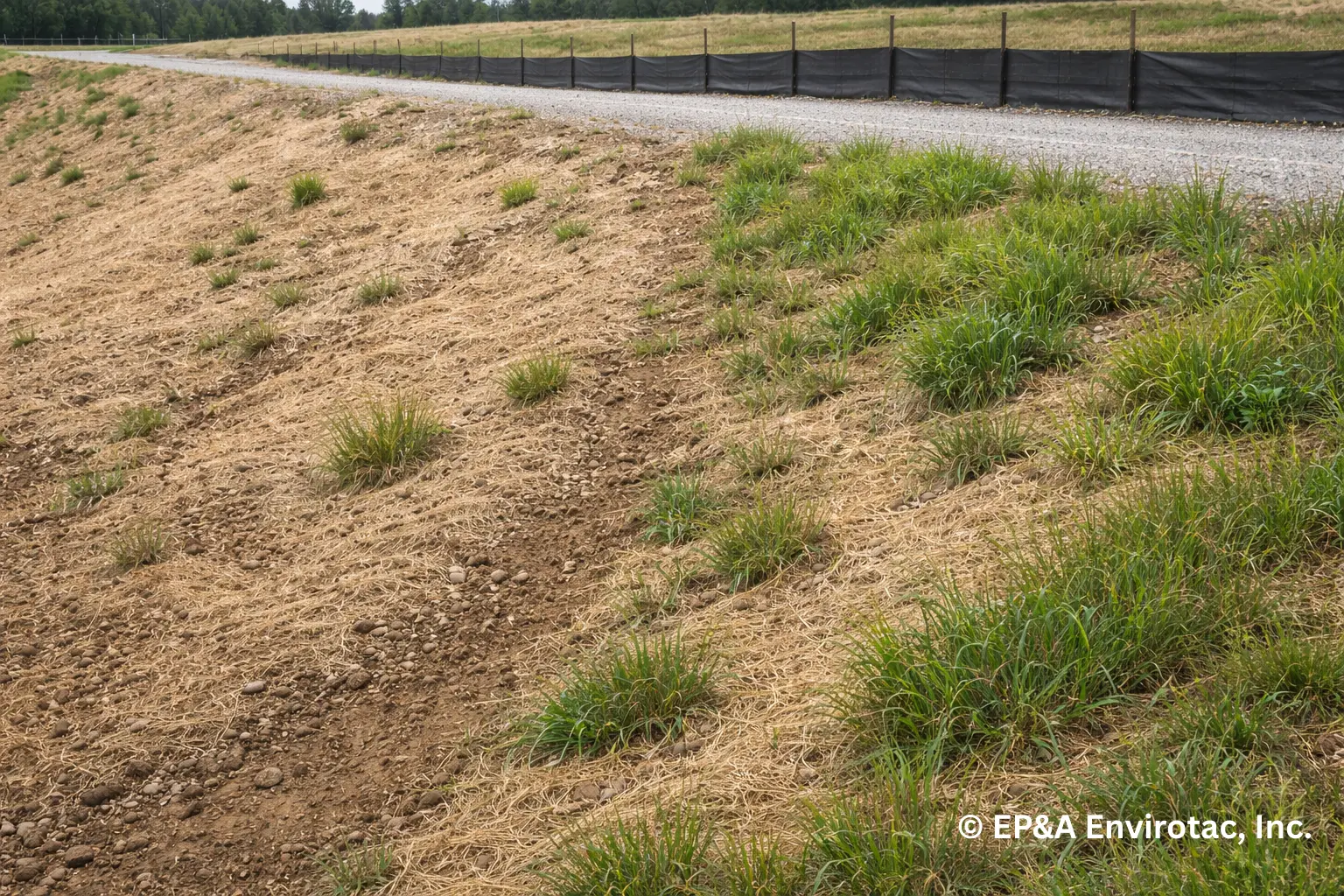
This perspective also reframes responsibility. Decisions about sequencing, compatibility, and preservation are rarely made at a single point. They are distributed across planning, procurement, construction, and maintenance. When systems are designed with biological recovery in mind, early controls tend to step back naturally over time. When they are not, even well-intentioned interventions can lock sites into cycles of repeated treatment.
At its core, working alongside natural processes is not an environmental ideal. It is a practical strategy for reducing dependence. Controls that respect soil function, protect water pathways, and allow vegetation to establish tend to simplify management over time. Those who ignore these interactions often succeed briefly, then demand attention again. The difference is subtle in the moment but decisive over the life of a site.
The Difference Between What Holds—and What Lasts
Stability is often judged by how still a surface appears. When dust settles and slopes hold, it is easy to assume the system has been resolved. Yet soil continues to respond long after movement becomes less visible. It reorganizes with water, with roots, and with the absence or presence of disturbance. What looks quiet is not necessarily finished.
Over time, the difference between control and stability becomes clearer. Control suppresses motion. Stability emerges when the ground begins to support itself. One relies on repetition. The other depends on conditions that allow recovery to take hold. Both may be necessary at different moments, but they lead in very different directions.
When erosion and dust management are approached as short-term problems, solutions tend to accumulate. When they are understood as long-term systems, fewer interventions are often needed, applied more deliberately. The distinction is not about choosing nature over engineering or speed over care. It is about recognizing that soil, once disturbed, follows its own timelines.
Designing with those timelines in mind changes what success looks like. Not a surface that holds indefinitely under constant pressure, but one that gradually asks less of the systems placed upon it. In that shift, stability becomes something that is not maintained but earned.
Many of the patterns described here become clearer when viewed through the lens of compaction behavior over time. For a closer look at how compaction failures emerge—and how they influence long-term stabilization outcomes—this analysis provides further context:
Applications - Dust Control & Soil Stabilization Products
Leave a Reply